
Why Every Hotel Website Needs a Blog
Blogs are the pillars of content marketing and, in this article, we’ll look into how this translates into the hotel industry and why every hotel website needs a blog.
After blogging for a living for a decade, we know the benefits a well-structured, constantly updated and aesthetically seamless blog can bring to any business, big or small.
Before we dive deeper into why every hotel website needs a blog, though, let’s clarify what content marketing really is.
In a nutshell, this strategic marketing approach focuses on creating and publishing valuable content to attract and retain your target audience.
Instead of just selling your services, you provide truly relevant and useful content to your potential guests to help them solve their problems.
This way, you manage to build trust, boost your brand awareness and generate permanent traffic that attracts potential customers 24/7 without the cost of endless paid ad campaigns.
In the travel industry, hospitality content marketing might just be the ultimate digital marketing tool nowadays. Keep reading to find out why every hotel website needs a blog and how to do hotel blogging right.
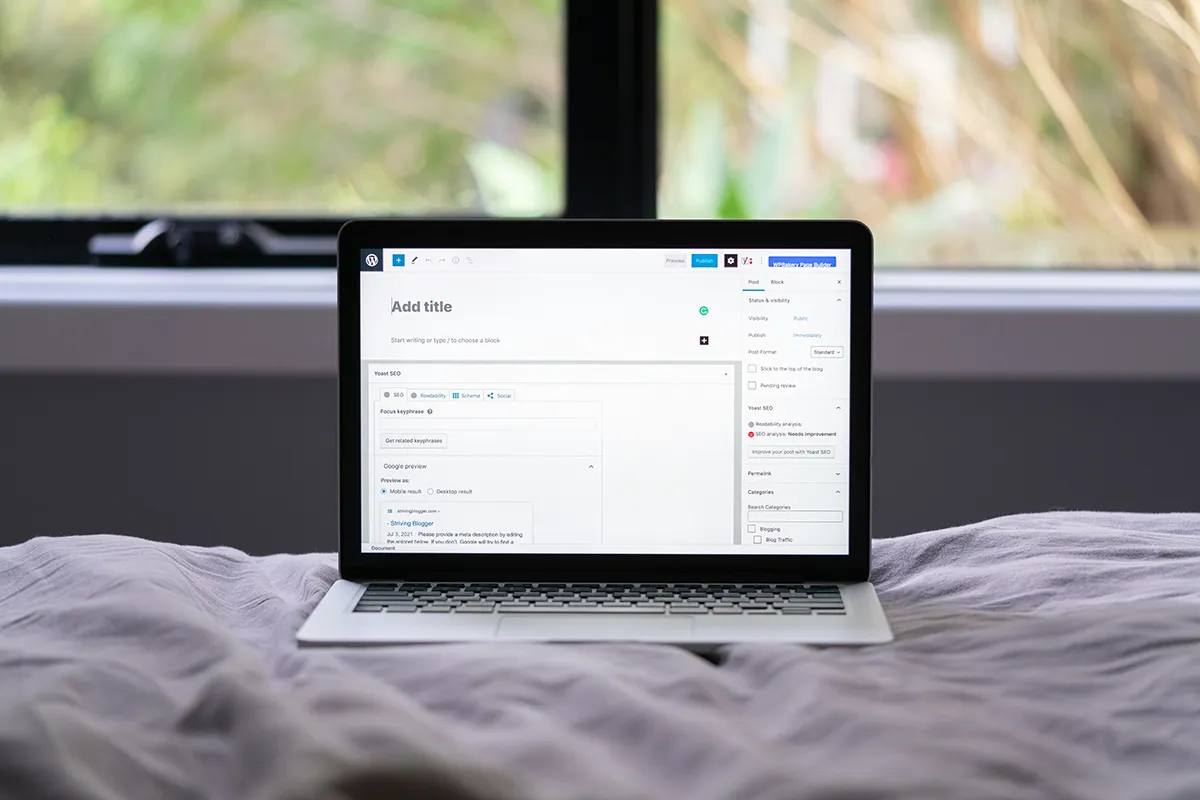
What Is Hotel Blogging?
There are many reasons why all hotels, including small, independent businesses, should have a website. Leveraging the power of hotel blogging is one of the most important among them.
Hotel blogging is the practice of consistently publishing valuable, destination-focused articles on a hotel’s official website to attract potential guests, build authority and drive direct bookings.
Without a blog, no matter how beautiful a hotel website is, it’s nothing but a static digital brochure with glossy images, room descriptions and prices.
Having a dedicated blog section, though, immediately transforms any hotel website into a destination expert that answers the exact questions travellers tend to ask when planning a trip to a specific region.
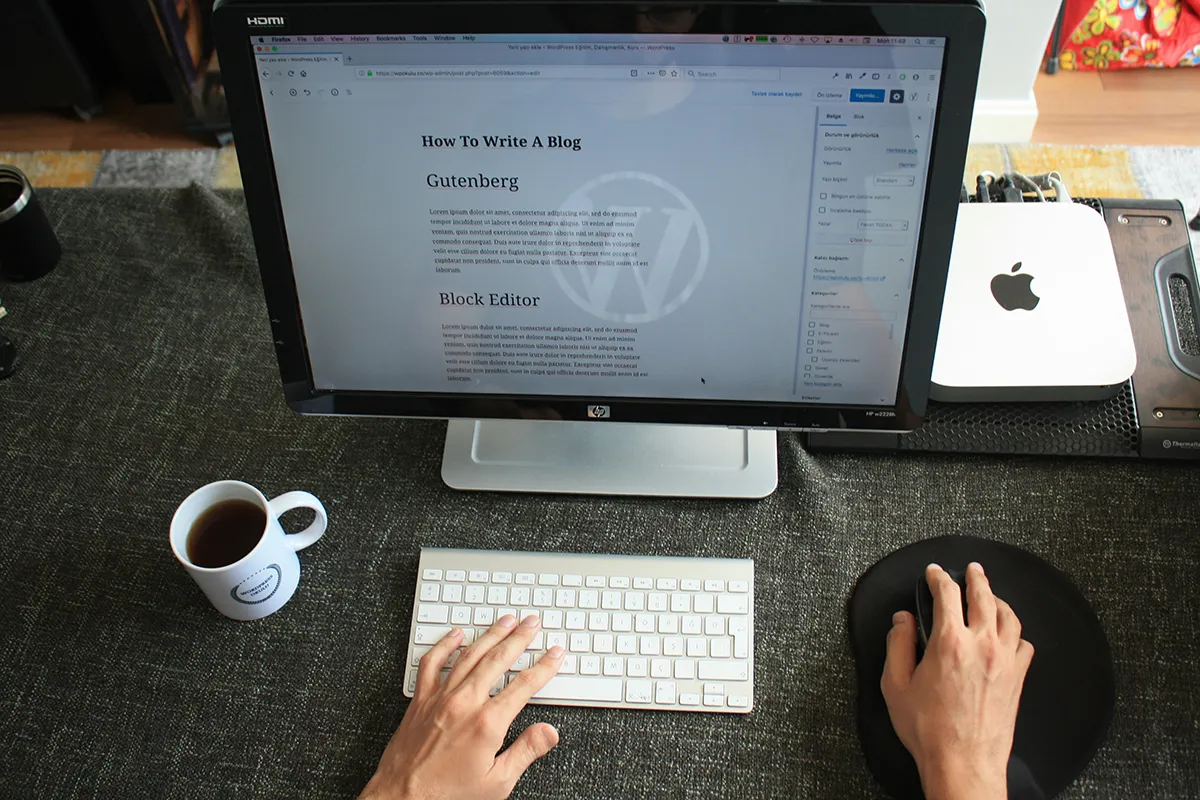
Why Every Hotel Website Needs a Blog: 5 Reasons You Can’t Overlook
Now that we’ve established what hotel blogging is all about, let’s have a closer look at why every hotel website needs a blog section.
1. SEO for Hotels
First of all, a blog is the cornerstone of your hotel’s SEO strategy. Hotel SEO (Search Engine Optimisation) is what helps your website rank high on Google search results and appear on AI tools.
Without a blog, your website is restricted to only a handful of static pages with limited content that can only rank for very specific keywords and phrases, like your hotel name.
Conversely, the articles you publish on your hotel blog offer unlimited possibilities for your website to rank high for the terms (long-tail travel keywords) potential guests actually search for.
These could be anything from “best beaches near [city]” to “things to do in [city] in two days” to “most romantic restaurants in [city]” to “best restaurants near [hotel name]”.
If you publish comprehensive content on all or any of the above, that’s a clear indicator that you’re an expert in your region.
Moreover, if you publish consistently, this signals to Google that the website is maintained, resulting in frequent re-indexing and an overall boost of your site authority.

2. Building of Trust & Local Authority
But it’s not only Google that loves blogs. Humans do, too. When travellers are in the planning stage of their trips, they look for answers to all sorts of questions about the destinations they’re considering.
From where to go, what to eat and what to do in a place to how to get there and around to everything in between, there’s a lot to take into account before booking flights and accommodation.
If your hotel blog features SEO-optimised articles that thoroughly answer these burning questions, potential guests will eventually stumble upon them.
Soon, they’ll realise that you’re the absolute local expert who knows their destination like the back of their hand.
Your hotel website suddenly becomes their go-to resource for everything they want to know about the destination.
This way, potential guests trust you and appreciate your human-first approach of offering all this helpful content for free.

3. Increase in Direct Bookings
A well-structured, SEO-optimised blog leads your target audience directly to your website even before they are at the booking stage of their trip.
Therefore, when the time comes for your target audience to actually book their accommodation, they already know and trust you, so chances are they won’t even go to OTAs for alternative options.
With strategic placement of links and CTA buttons throughout your blog content, you can successfully drive users to your booking page.
Thanks to your blog, more direct bookings mean less high commissions paid to third-party platforms, like Booking.com, Airbnb, etc.

4. Storytelling & Brand Identity
Travel is not what it used to be. Instead of mere sightseeing and ticking things off lists, nowadays, people long for life-changing travel experiences and unique, untold stories.
This is where the power of authentic storytelling lies. Travellers don’t buy rooms any more; they buy stories.
A blog section offers ample space for the most remarkable stories to unfold; the kind of stories that hook readers and make them want to live your hospitality experience again and again, turning them into repeat guests.
Among others, you can share the story of how it all started for your hotel business, the historic moments the walls of your building have witnessed or little anecdotes from the lives of those who linger behind the scenes, the same people who cater to the needs of your guests.
Blog posts also allow you to focus on what matters to you the most, from sustainability efforts to the support of local communities to your farm-to-table approach.
This way, you strengthen your brand identity and help your hotel business stand out in the most effective way.

5. Content Repurposing
Although a hotel blog is a powerful asset in its own right, its benefits don’t stop there. In reality, a blog serves as a content factory for your entire digital marketing strategy.
Instead of creating new content from scratch for every platform, a single blog post can provide material for weeks of marketing assets, such as email newsletters, Instagram Reels and Stories, Facebook posts, LinkedIn updates, etc.
For instance, you can send the summary of a blog post to your mailing list with a link to read the full article or post a carousel of images on Instagram, showing the highlights mentioned in the blog post.
When it comes to how you can repurpose your blog content, the sky’s the limit.

How To Tackle Hotel Blogging Like a Pro
Now that we’ve clarified why every hotel website needs a blog, let’s have a quick look at what makes a hotel blog really good.
Content Strategy & SEO
First of all, a good hotel blog should have a solid content strategy. It all starts with thorough keyword research to identify the areas your target audience is most interested in.
Secondly, the articles should be well-researched and well-written, without any grammatical or factual errors, and enriched with professional hotel imagery.
The next step is optimising the content for search visibility. However, don’t rely solely on SEO-optimised destination guides for hotels, packing lists and other practical articles that are meant to solve problems.
From time to time, you should also prioritise storytelling by publishing heartfelt stories that aim to inspire readers and help your brand connect with past or future guests rather than rank high on Google results.
Of course, managing a successful blog for your hotel website takes time and effort. But that’s what we’re here for. Have a look at our Hotel Content Writing & SEO Services and let’s take it from there.

Technical Setup
Content is king, but without the right technical foundation, your hotel blog might not bring the desired results.
From choosing optimal URL structures to installing proper language tags for bilingual websites and multilingual hotel SEO to ensuring responsive and mobile-friendly layouts, there’s no end to the list of things that can go wrong if not set up correctly.
But even if set up the proper way, a hotel blog needs maintenance, regular updates and support to make sure it’s healthy at all times.
That’s where our Hotel Web Design & Maintenance Services come in handy, so you can focus on what matters the most: creating once-in-a-lifetime experiences for your guests.

Your Hotel Blog Matters, But You Don’t Have To Do It Alone
A dedicated blog section helps your hotel website rank high on Google, secure visibility in AI search tools and serve as a content vault that fuels your social media channels and email campaigns.
More importantly, it builds immediate trust. Travellers connect with your unique hospitality vision and story long before they check in.
Furthermore, by positioning your property as the ultimate local travel expert, you naturally drive more high-value, direct bookings your way, thus reducing OTA commissions.
But understanding why every hotel website needs a blog is only the first step. Building, writing and managing a hotel blog doesn’t happen overnight.
This is a critical part of your overall digital marketing strategy that requires careful planning and plenty of your valuable time, which you most probably don’t have.
If that’s the case, get in touch to discuss our All-in-One Hotel Web Services. We’ll be more than happy to step in and run your successful hotel blog for you.
Our decade-long career as professional travel bloggers is your guarantee of a highly successful hotel blog.